What should I expect after hair transplant?

What Should I Expect After Hair Transplant?

What should I expect after hair transplant? – After undergoing a hair transplant, individuals often find themselves filled with anticipation and questions about the journey ahead. The procedure not only aims to restore hair but also to boost confidence and self-image. However, understanding what to expect throughout the recovery process is crucial for ensuring optimal results. This article Artikels the various stages of post-transplant care, recovery, hair growth timelines, long-term expectations, and the psychological impacts of the procedure.

Pre-Transplant Expectations, What should I expect after hair transplant?
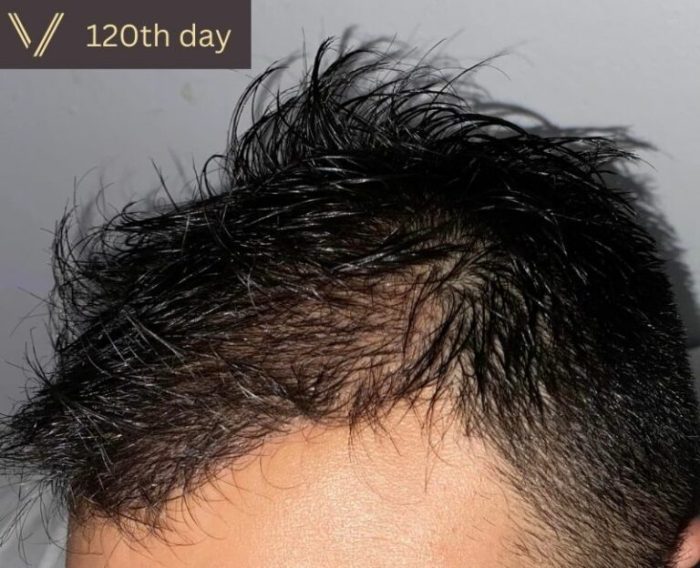
What should I expect after hair transplant?

Preparing for a hair transplant involves several key steps that help set realistic expectations. Before the procedure, candidates typically undergo consultations with their surgeon to assess their suitability. These assessments often include:

  • Medical history review to identify any underlying conditions that may affect the procedure.
  • Discussion of hair loss patterns and desired outcomes.
  • Examination of donor hair quality and scalp condition.
  • Clarification of potential risks, benefits, and recovery time.

It’s essential for candidates to address any concerns or questions they might have, ensuring they feel comfortable and informed about the process ahead.

Immediate Post-Transplant Care

After the hair transplant, following a structured aftercare regimen is vital for the success of the procedure. Common aftercare steps include:

  • Keeping the scalp clean and dry for the first few days.
  • Avoiding strenuous activities or excessive sweating.
  • Using prescribed medications to manage discomfort and prevent infection.
  • Wearing a loose-fitting hat or bandage to protect the scalp.

Patients may experience sensations such as swelling, tenderness, or itching, which are normal side effects. Adhering to aftercare instructions significantly contributes to the chances of achieving optimal results.

Short-Term Recovery Process

The first week post-transplant is critical as patients begin their recovery journey. During this period, typical experiences include:

  • Swelling around the forehead, which usually subsides after a few days.
  • Scabbing in donor and recipient areas that should not be picked to avoid complications.
  • Initial hair shedding, which is a common phase as the scalp adjusts.

Follow-up visits with the clinic are essential to monitor healing progress and address any concerns. During these appointments, healthcare providers assess scalp health and discuss the next steps in the recovery process.

Hair Growth Timeline

Understanding the hair growth timeline can help manage expectations post-transplant. The phases typically include:

Timeline Stage Description
Weeks 1-2 Shedding Initial hairs may fall out as follicles enter a resting phase.
Months 2-4 Regrowth New hair begins to grow; thinning may still be noticed.
Months 6-12 Full Growth Hair thickets and fuller results become visible, reaching maturity.

It’s essential to recognize that individual hair growth varies based on genetic factors, overall health, and adherence to post-care instructions.

Long-Term Expectations

As the years progress, patients can expect significant changes in hair density and texture. Long-term outcomes include:

  • Improved hair thickness and volume over time.
  • Natural-looking results that blend well with existing hair.
  • Ongoing maintenance tips, such as regular trims and using quality hair care products to sustain hair health.

Understanding these long-term expectations can help individuals remain positive and committed to their hair care routines.

Psychological Impact

The journey following a hair transplant often includes emotional and psychological transformations. Patients may experience:

  • Increased self-esteem and confidence as hair grows in.
  • Anxiety about the eventual outcome, which is common and can be managed.
  • The importance of celebrating small milestones during the recovery process.

Developing strategies to manage expectations, such as setting realistic goals and engaging with support groups, can enhance the overall experience and self-image following the procedure.

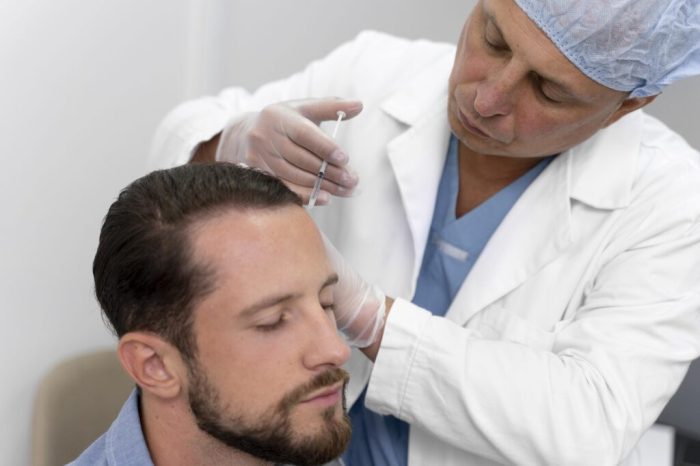
Can hair transplant results look natural? A closer look

Can Hair Transplant Results Look Natural?

Can hair transplant results look natural? – Hair transplantation has gained significant traction as a popular solution for individuals experiencing hair loss. The primary purpose of hair transplants is to restore hair to areas on the scalp that have thinned or completely lost hair, thereby enhancing one’s appearance and boosting self-esteem. Over the years, the techniques employed in hair transplantation have evolved dramatically, shifting from invasive surgical methods to more refined, minimally invasive approaches.

Achieving natural-looking results is paramount in hair restoration, as it directly impacts patient satisfaction and overall success of the procedure.

Introduction to Hair Transplant

Hair transplant procedures have come a long way since their inception. Initially, techniques were rudimentary, often resulting in noticeable ‘pluggy’ appearances. As medical technology advanced, so did the methods used in these procedures. Important milestones have included the transition from large hair grafts to smaller follicular units, which better mimic natural hair growth patterns. The significance of achieving a natural look cannot be overstated, as it helps blend the transplanted hair seamlessly with existing hair, enhancing overall aesthetics.

Factors Influencing Natural Hair Transplant Results

Several factors contribute to the natural appearance of transplanted hair. Understanding these factors is essential for both practitioners and patients. Key considerations include:

  • Hairline Design: The placement and shape of the hairline are critical. A well-designed hairline that follows natural growth patterns can significantly enhance the overall look.
  • Matching Hair Color and Texture: Ensuring that the transplanted hair matches the color and texture of the existing hair is vital for achieving a cohesive appearance.
  • Density of the Transplanted Hair: The number of grafts transplanted per square inch can affect the perceived naturalness; too few may look sparse, while too many can appear unnatural.

Techniques Used in Hair Transplants, Can hair transplant results look natural?

The methods required for hair transplants have diversified, offering patients various options. Two of the most common techniques are:

  • Follicular Unit Transplant (FUT): This method involves removing a strip of scalp from the donor area, which is then dissected into individual follicular units for transplantation. FUT is effective for larger areas of hair loss, but may leave a linear scar.
  • Follicular Unit Extraction (FUE): In this technique, individual follicles are extracted directly from the scalp, leaving no linear scar. FUE is less invasive and offers quicker recovery times, making it a popular choice among patients.

While both methods have their merits, FUE is often favored for its minimally invasive nature and natural-looking results.

The Role of the Surgeon

The qualifications and experience of the surgeon performing hair transplants play a crucial role in the outcome. A skilled surgeon not only understands the technical aspects of the procedure but also possesses the artistry to create natural-looking results. During pre-surgical consultations, patients should discuss their expectations and the surgeon’s approach, which can aid in achieving the desired aesthetic outcome.

Post-Transplant Care and Its Impact

Aftercare is essential for successful healing and hair growth following a transplant. Key post-transplant care steps include:

  • Avoiding Strenuous Activities: Patients should refrain from heavy exercise for at least a week to prevent stress on the scalp.
  • Using Appropriate Hair Care Products: Gentle shampoos and conditioners help maintain the health of both existing and transplanted hair.
  • Regular Follow-ups: Scheduling follow-up appointments with the surgeon is crucial to monitor progress and address any concerns.

Common mistakes to avoid include manipulating the transplanted area and neglecting proper hygiene, which can lead to complications. A typical healing process spans several months, with visible growth usually noticeable around the three to six-month mark.

Patient Testimonials and Experiences

Patient experiences can significantly vary, highlighting the spectrum of outcomes associated with hair transplants. Many patients express satisfaction with their results, especially when expectations align with reality. However, some may face disappointment due to unrealistic expectations or insufficient communication with their surgeons. Analyzing testimonials can offer insights into the natural outcomes achieved by different individuals. Case studies often reveal that while some patients enjoy seamless integration of transplanted hair, others may face issues that require further treatment.

Myths and Misconceptions About Hair Transplants

Numerous myths surrounding hair transplants can cloud patient judgment. For instance, some believe that hair transplants are only for older individuals, when in fact, younger patients can also benefit significantly. Other myths include the idea that all hair transplant results look unnatural. Debunking these misconceptions is essential to help patients make informed decisions. Understanding the advancements in techniques and technology can also dispel doubts regarding the effectiveness and naturalness of hair transplants.

Advances in Hair Restoration Technology

The field of hair restoration continues to grow with several innovations enhancing the capabilities of hair transplants. Recent advancements include:

  • Robotic Assistance: Robotic systems are now used in FUE procedures, allowing for greater precision and reduced risk of human error.
  • Improved Graft Preservation Techniques: New methods of preserving grafts during extraction and implantation ensure higher survival rates and better growth post-procedure.
  • Scalp Micropigmentation: This technique mimics the appearance of hair follicles and can be combined with transplants for enhanced results.

These technological advancements contribute significantly to achieving more natural and satisfactory outcomes for patients, setting higher standards within the industry.

How long does hair transplant recovery take?

Understanding Hair Transplant Recovery: How Long Does Hair Transplant Recovery Take?

How long does hair transplant recovery take? – Recovering from a hair transplant is a crucial part of the process that determines the success of the procedure. The timeline of recovery can vary widely, influenced by several factors, including the method of transplant, individual healing rates, and post-operative care. Understanding the stages of healing can help set realistic expectations for anyone considering this procedure.The general timeline for recovery after a hair transplant typically spans several weeks to months.

Patients usually go through distinct stages of healing, starting from immediate post-operative care to long-term recovery. The initial healing phase can take around 1 to 2 weeks, followed by shedding and regrowth phases that can last several months.

Immediate Post-Operative Care

In the first 24 to 48 hours after surgery, patients can expect some swelling and discomfort in the scalp area. It’s essential to rest and avoid strenuous activities during this time. Proper care is vital to ensure a smooth recovery, and patients should follow their surgeon’s instructions diligently.At-home care during the early recovery phase includes:

  • Keeping the scalp clean and dry.
  • Avoiding direct sunlight on the scalp.
  • Using prescribed medications to manage pain and prevent infection.

Potential side effects such as mild bleeding or itching are common, and patients should manage them by gently cleaning the area and using cold compresses if necessary.

Short-Term Recovery

The first week post-transplant can come with noticeable changes as the scalp begins to heal. Patients may notice some hair shedding, which is a normal part of the process. This shedding usually occurs within the first two to three weeks and is followed by a regrowth phase that can start around the third month.Recovery experiences can differ based on the hair transplant techniques used.

For example, Follicular Unit Extraction (FUE) may offer quicker recovery times compared to Follicular Unit Transplantation (FUT), which may require more time for complete healing.

Long-Term Recovery

Full recovery and hair growth from a hair transplant can take anywhere from six months to a year. During this time, patients should notice signs of successful hair growth, including increased density and coverage in the transplant area. Regular follow-up appointments with the surgeon play a critical role in monitoring progress and addressing any concerns.Signs of successful hair growth include:

  • Thicker hair strands.
  • Even distribution of hair across the transplanted area.
  • Improvement in overall scalp appearance.

Tips for a Smooth Recovery

To make the recovery process smoother, here are some essential do’s and don’ts:

  • Do avoid touching or scratching the transplanted area.
  • Don’t engage in vigorous exercise until cleared by your surgeon.
  • Do maintain a balanced diet to support healing, including proteins and vitamins.
  • Don’t smoke or consume alcohol, as these can hinder recovery.

Common misconceptions about hair transplant recovery often include the belief that hair will grow back immediately and that all patients will have the same experience. In reality, recovery is highly individualistic.

When to Seek Medical Attention, How long does hair transplant recovery take?

While most recovery experiences are uneventful, some signs may warrant a consultation with a healthcare provider. Symptoms such as persistent pain, excessive bleeding, or signs of infection like pus or severe redness should not be ignored.Potential complications can include graft failure or abnormal scarring. Early recognition of these symptoms is crucial for effective management and ensuring a successful recovery.

Lifestyle Adjustments During Recovery

How long does hair transplant recovery take?

During the recovery period, it’s important to modify daily activities to promote healing. Patients should aim to:

  • Limit exposure to sunlight, using hats or scarves as protection.
  • Maintain a gentle hair care routine, avoiding harsh chemicals.
  • Incorporate scalp massages to improve circulation once cleared by their surgeon.

Understanding the importance of protecting the healing skin from sun exposure is essential, as UV rays can lead to complications.

Patient Testimonials and Experiences

Listening to the experiences of others who have undergone hair transplantation can provide valuable insights. Many patients report satisfaction with their results despite minor challenges faced during recovery. A table illustrating patient recovery timelines and satisfaction levels can highlight the variation in experiences. For instance, some may report full satisfaction with results at six months, while others might take up to a year to feel fully pleased with their new hair growth.